
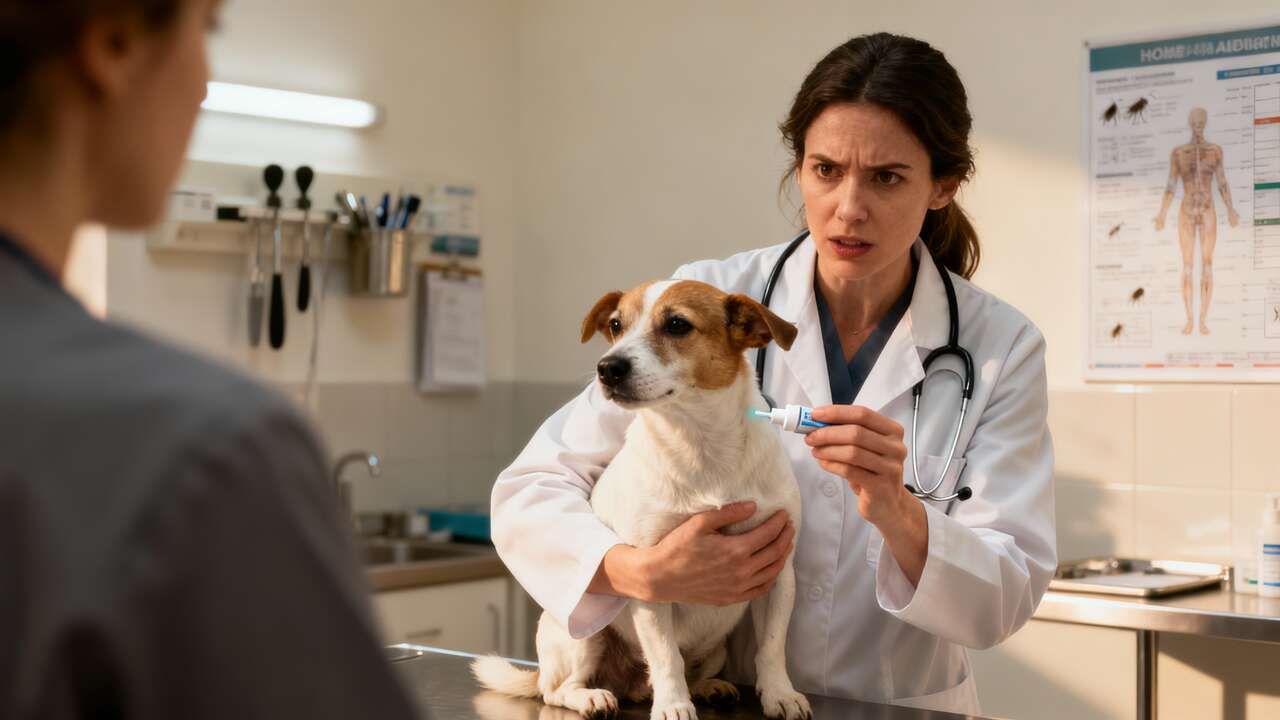

Confront the flea infestation in your home head-on. Forget costly chemical treatments and dubious miracle cures that promise much but deliver little. Veterinarians are now highlighting a remarkably simple, accessible, and cost-effective home remedy that tackles the problem at its source. This method requires nothing more than common household items: water, soap, heat, and time. By understanding the science behind this approach, you can effectively disrupt the flea life cycle and reclaim your living space from these persistent pests, ensuring the comfort and health of both your pets and your family.
Understanding the flea problem at home
A flea infestation is a complex issue that extends far beyond the visible insects on your pet. The majority of the flea population exists in the environment in immature stages, hidden from sight. Understanding their life cycle and the conditions that favour their proliferation is the first step towards effective control. Without this knowledge, any attempt at eradication is likely to fail, leading to a frustrating cycle of re-infestation.
The four stages of the flea life cycle
To effectively combat fleas, it is crucial to understand their complete life cycle, as each stage requires a different approach. A single female flea can lay up to 25 eggs per day, quickly leading to a significant infestation. The entire cycle can be completed in as little as a few weeks under optimal conditions.
- Egg: Flea eggs are not sticky and fall off the host animal into the surrounding environment, such as carpets, bedding, and furniture.
- Larva: The eggs hatch into small, worm-like larvae. These larvae avoid light and burrow deep into carpet fibres, cracks in the floor, and upholstery, feeding on organic debris.
- Pupa: The larva spins a sticky cocoon to become a pupa. This stage is incredibly resilient and can remain dormant for months, protected from insecticides, until it detects the presence of a potential host through heat, vibration, or carbon dioxide.
- Adult: The adult flea emerges from the cocoon when a host is near, ready to jump on, feed, and begin the cycle anew by laying eggs.
This cycle explains why treating only the pet is insufficient. The home environment itself is the primary reservoir for the infestation, with adult fleas representing only a small fraction of the total population.
Geographical prevalence of infestations
Flea populations are not evenly distributed. Climatic conditions play a major role in their ability to thrive year-round. Studies have long shown that certain regions provide an ideal breeding ground for these pests. For instance, states with warm and humid climates such as Alabama, Florida, and Louisiana report high levels of flea infestations throughout the year. In contrast, drier, arid regions like Arizona and Utah have significantly lower prevalence rates. This geographical context is important for pet owners to assess their level of risk and the necessity of year-round preventative measures.
Ineffective home remedies
In the quest for a quick and natural solution, many pet owners are tempted by a plethora of home remedies promoted online. However, veterinarians issue a strong warning against many of these methods, which are often not only ineffective but can also be dangerous for pets. Relying on unproven treatments allows the flea population to multiply unchecked, turning a manageable problem into a severe infestation.
The dangers of popular but unproven solutions
Many widely circulated “natural” flea remedies lack scientific backing and pose health risks. For example, feeding garlic to pets is a common myth; not only is it ineffective against fleas, but garlic is also toxic to dogs and cats, potentially causing severe anaemia. Similarly, the application of essential oils, such as tea tree, pennyroyal, or citrus oil, can be extremely harmful. Pets are highly sensitive to these concentrated oils, which can cause skin irritation, respiratory distress, liver damage, or even neurological problems if ingested or absorbed through the skin. These remedies should be avoided at all costs.
Why “all-in-one” miracle cures fail
The appeal of a single, simple cure is strong, but the complexity of the flea life cycle makes such solutions unrealistic. Treatments like spraying vinegar or scattering diatomaceous earth may have a limited effect on adult fleas but do little to address the eggs, larvae, and pupae hidden in the environment. The resilient pupal stage is particularly resistant to most treatments. Consequently, new fleas continue to emerge, leading to a frustrating recurrence of the problem. A successful strategy must be multi-faceted, targeting fleas at every stage of their development, which these simplistic remedies fail to do.
The home remedy recommended by veterinarians
Amidst a sea of ineffective and dangerous advice, there is one simple, safe, and scientifically sound home remedy that veterinarians endorse. This method leverages the natural behaviours of fleas to create a highly effective trap using only a few household items. It is a non-toxic approach that can be used alongside other control measures to significantly reduce the adult flea population in your home.
The science behind the water and soap trap
The recommended technique involves creating a simple yet ingenious trap. You will need a shallow bowl or plate, warm water, a few drops of washing-up liquid, and a light source like a desk lamp. The principle is based on attracting fleas with heat and light. Fleas are drawn to the warmth of the lamp, mistaking it for the body heat of a host. As they jump towards the source, they land in the soapy water below. The washing-up liquid is the critical component: it breaks the surface tension of the water, meaning the fleas cannot float or jump out. They sink and drown. This method effectively captures and kills adult fleas overnight.
Disrupting the breeding cycle
While this trap primarily targets adult fleas, its impact extends to the entire life cycle. By systematically removing adult fleas from the environment, you are directly preventing them from feeding and laying more eggs. Each female flea captured is one less that can produce hundreds of offspring. This reduction in egg-laying is a crucial step in breaking the cycle of infestation. When combined with thorough cleaning to remove existing eggs and larvae, this trap becomes a powerful tool in your flea control arsenal, gradually depleting the population and preventing future generations from emerging.
How to correctly use this remedy
For this simple remedy to be effective, it must be implemented correctly and consistently. Proper setup and placement are key to maximising the number of fleas captured while ensuring the safety of your pets and home. This is not a one-time fix but a routine that should be maintained until the infestation is fully under control.
Step-by-step setup guide
Creating your flea trap is straightforward. Follow these instructions carefully each evening before you go to bed, as fleas are most active at night.
- Choose your location: Place the traps in rooms where your pets spend the most time, or where you have noticed the most flea activity, such as living rooms and bedrooms.
- Prepare the bowl: Take a shallow dish or plate with a low rim. A pie tin or a large pet food bowl works well.
- Add the solution: Fill the dish almost to the brim with warm water. Add a generous squirt of standard washing-up liquid and stir gently to mix without creating too many bubbles.
- Position the light source: Place a small lamp, such as a desk lamp or night light, next to the dish. The bulb should be positioned directly over the water, close enough to warm it slightly but not so close as to be a fire hazard. A low-wattage bulb is sufficient.
- Activate the trap: Turn on the lamp and leave the trap undisturbed overnight. In the morning, you will find drowned fleas in the dish. Carefully dispose of the water and repeat the process the following night.
Best practices for safety and effectiveness
To ensure the best results, consistency is vital. Set the traps every single night for at least one to two weeks. Place multiple traps throughout the house if the infestation is widespread. Crucially, ensure the setup is safe. Keep the lamp and bowl in a low-traffic area where they will not be knocked over by children or pets. Use a stable lamp and ensure all electrical components are away from the water. While this method is excellent for monitoring and reducing the adult flea population, it must be part of a larger, integrated pest management plan.
Preventing future flea occurrences
Eradicating an active infestation is a significant achievement, but the work does not end there. To ensure fleas do not return, you must adopt a proactive and consistent prevention strategy. This involves diligent environmental management and regular care for your pets, creating an inhospitable environment for fleas and stopping a new infestation before it can take hold.
The importance of a rigorous cleaning routine
Your home environment is the primary breeding ground for fleas. A thorough and regular cleaning schedule is your most powerful weapon against re-infestation. Focus your efforts on the areas where flea eggs, larvae, and pupae are most likely to be hiding.
Vacuuming is non-negotiable. You should vacuum carpets, rugs, upholstered furniture, and hardwood floors daily during an active infestation and at least weekly as a preventative measure. Pay special attention to areas under furniture, along skirting boards, and in cracks. The vibration from the vacuum can also stimulate pupae to hatch, exposing the new adult fleas to other treatments. After each use, immediately seal and dispose of the vacuum bag outside your home.
Maintaining a flea-free pet and home
Alongside environmental control, consistent pet care is essential. Wash all pet bedding, blankets, and soft toys in hot water (at least 60°C) weekly to kill any flea stages present. Groom your pet regularly with a flea comb to physically remove any adult fleas. Most importantly, consult your veterinarian about a suitable year-round flea and tick preventative treatment for your pet. These treatments are the first line of defence, killing fleas before they have a chance to lay eggs and infest your home. A clean home and a protected pet create a formidable barrier against future flea problems.
Expert opinions from veterinarians on the remedy
The endorsement of this simple water trap by veterinary professionals is not based on folklore but on a solid understanding of flea biology and behaviour. Experts confirm its utility as a safe, effective, and valuable tool for monitoring and reducing adult flea populations within the home. Its strength lies in its simplicity and its ability to work in harmony with other, more comprehensive flea control strategies.
Professional confirmation of effectiveness
Veterinarians and their staff often recommend this method to frustrated pet owners who have struggled with persistent infestations. One veterinary assistant recounted a case where an owner, after trying numerous ineffective commercial and homemade products, was on the verge of despair. The assistant suggested the soap and water trap. The owner was astonished to find dozens of fleas in the bowl the very next morning. This tangible result not only provided immediate relief but also motivated them to continue with the more arduous tasks of environmental cleaning, demonstrating the trap’s power as both a control measure and a monitoring tool. It provides irrefutable proof that an infestation is present and that control measures are working.
Comparative analysis of flea treatments
When compared to other common remedies, the vet-approved trap stands out for its safety and targeted effectiveness. While it does not eradicate an entire infestation on its own, it plays a crucial role without introducing harmful chemicals into the home. Below is a comparison of different approaches.
| Remedy Type | Targeted Flea Stage | Effectiveness | Safety Risk to Pets |
|---|---|---|---|
| Vet-Approved Water Trap | Adult | High for trapping adults | Low (if set up safely) |
| Essential Oils | Adult (repellent) | Low and inconsistent | High (can be toxic) |
| Garlic Supplements | None | None (scientifically unproven) | High (toxic to pets) |
| Veterinary-Prescribed Preventatives | Adult, Egg, Larva | Very High | Low (when used as directed) |
| Thorough Vacuuming | Egg, Larva, Pupa, Adult | High for environmental control | None |
This table illustrates that while no single method is a silver bullet, the water trap is a highly effective and safe component of an integrated pest management plan, which should always include veterinary-prescribed products and diligent cleaning.
Do not allow a flea infestation to persist for three months when it can be controlled in three weeks. Take decisive action by implementing this simple, vet-approved home remedy. By combining the nightly use of the water and soap trap with a rigorous and consistent cleaning schedule, you can effectively eliminate adult fleas and disrupt their breeding cycle. This proactive and informed approach not only eradicates the current problem but also prevents future occurrences. Ensure a safe, calm, and flea-free environment for your pets and family by relying on proven, professional advice rather than ineffective and potentially harmful myths.

- “Trees Adjacent to Fault Lines Reveal Low-Frequency Vibrations Ahead of Seismic Events” - 20 November 2025
- I’ve Recommended It to My Patients for Years”: The Right Way to Wash Your Hair With Vinegar, According to a Dermatologist - 20 November 2025
- Earth’s Seasons Are Out of Sync, Scientists Discover from Space - 20 November 2025
Related publications:
 Chefs’ Trick to Cook a Baked Potato in Under 10 Minutes Without an Oven or Stovetop
 No Plastic Wrap, No Foil: The Japanese Method to Keep Vegetables in the Fridge Without Rotting
 These Are 6 Products You Don’t Want To Miss From The New M&S X Tom Kerridge Cookware Collection.
 How to Save Money on Heating by Bleeding Radiators Correctly
 Retiring in the Sun: the European Country Offering a Luxurious Lifestyle for Just €750 a Month
 Step Aside Frying Pans: discover Oil-Free Cooking with Even-Heat Magnetic Surfaces
 Scientists Find That Boiling Orange Peel Releases Antioxidants That Purify The Air Indoors
 They’re Building ICBMs With Carbon Fiber”: North Korea Tests 443,000-Pound Engine While America Races