
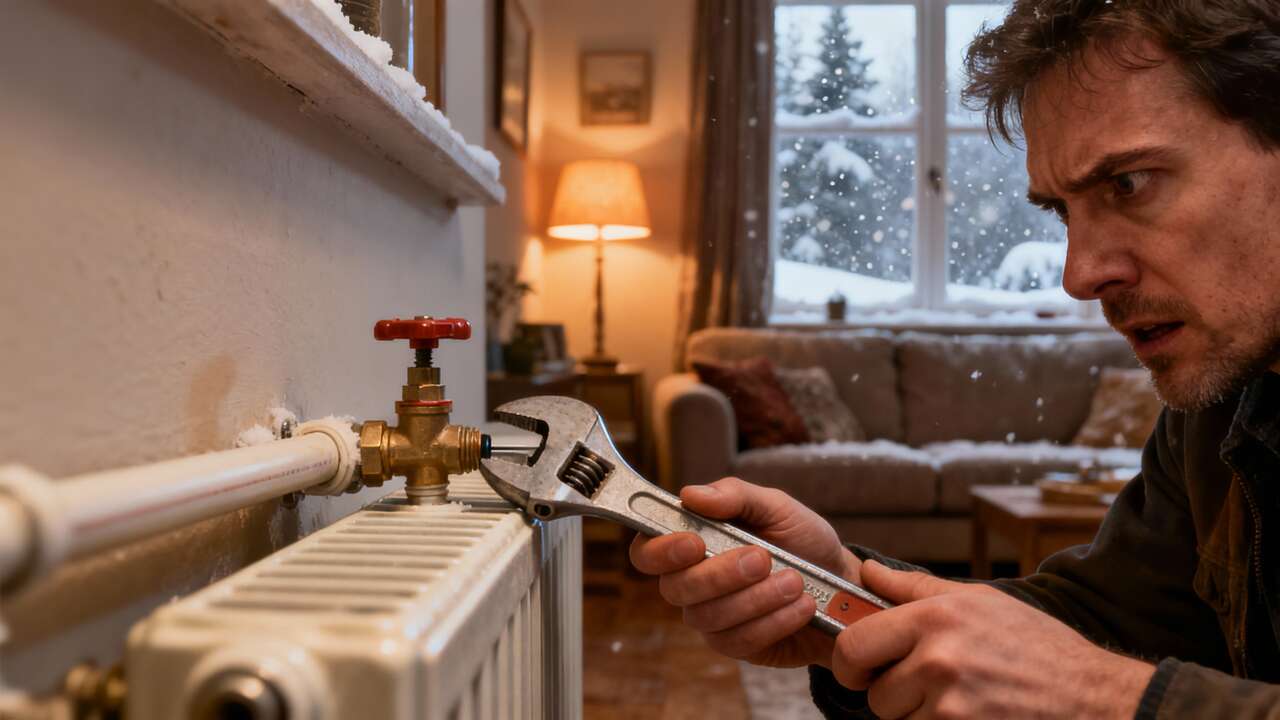

As households across the United Kingdom face escalating energy costs, the search for practical and effective ways to reduce heating bills has become more urgent than ever. Optimising the efficiency of a domestic central heating system is a primary strategy for managing this expenditure. One of the most straightforward yet frequently overlooked maintenance tasks is the correct bleeding of radiators. This simple procedure can significantly improve heating performance, lower energy consumption, and ultimately lead to substantial financial savings while contributing to a more comfortable living environment.
Why Bleed Your Radiators ?
The Mechanics of Trapped Air
Bleeding a radiator is the process of releasing air that has become trapped inside the central heating system. Over time, small amounts of air can enter the pipework, often through microscopic leaks or during maintenance. This air, being less dense than water, naturally rises and accumulates at the highest points of the system, which are typically the tops of the radiators. This trapped pocket of air acts as a blockage, preventing the hot water pumped from the boiler from circulating freely and filling the entire radiator. Consequently, the radiator cannot emit its full potential heat output into the room.
The Impact on Efficiency and Costs
When a radiator is only partially filled with hot water, it fails to heat a room effectively. The top section, filled with air, will remain cold or lukewarm to the touch while the bottom may be hot. This inefficiency forces the boiler to work harder and for longer periods to achieve the temperature set on the room thermostat. This prolonged operation directly translates to increased fuel consumption, whether it be gas, oil, or electricity. It is estimated that a system with trapped air can be up to 15% less efficient, leading to a noticeable and unwelcome increase in heating bills. Properly bleeding radiators restores their full heating capacity, allowing the boiler to operate as intended and reducing unnecessary energy waste.
| System Condition | Heating Efficiency | Potential Impact on Annual Bill |
|---|---|---|
| Radiators with trapped air | Reduced by up to 15% | Significant increase in costs |
| Correctly bled radiators | Optimal | Potential for significant savings |
Broader System Health
Beyond the immediate concerns of cost and comfort, trapped air can have a detrimental effect on the long-term health of your heating system. The combination of air (oxygen) and water inside the steel radiators can accelerate the process of corrosion, leading to the formation of rust and sludge. This sludge can circulate through the system, causing blockages in pipes, damaging pump components, and reducing the lifespan of the boiler itself. The gurgling and banging noises often associated with trapped air are not just an annoyance; they are a symptom of a system under stress. Regular bleeding is therefore a crucial piece of preventative maintenance.
Understanding the reasons for this essential task helps to recognise the symptoms when they appear, ensuring timely action can be taken.
How to Know if a Radiator Needs Bleeding ?
Audible and Tactile Clues
The most common and reliable indicators that a radiator needs bleeding are physical. You can often diagnose the problem simply by touch and sound. When your heating is on, you should carefully run your hand over the surface of each radiator. If you notice that the top of the radiator is significantly cooler than the bottom, it is a classic sign of trapped air preventing the hot water from reaching the upper section. Other key signs include:
- Gurgling or bubbling noises: When the heating system is active, listen for unusual sounds coming from the radiators or pipework. Gurgling, banging, or a sound akin to a kettle boiling often indicates that air and water are mixing and moving through the system inefficiently.
- Slow warm-up time: Radiators that take an unusually long time to heat up after the system has been turned on may also be suffering from trapped air.
Visual Inspection and Performance Issues
While some radiators may show obvious signs, it is important to conduct a systematic check of every radiator in the property. A single radiator with trapped air can affect the balance and performance of the entire system. If you find one radiator is completely cold while others are hot, the problem could be more complex, such as a stuck thermostatic radiator valve (TRV) or a blockage. However, bleeding should always be the first diagnostic step as it is the simplest to perform. Consistent cold spots in certain rooms, despite the heating being on for an extended period, also point towards an issue that bleeding can often resolve.
Monitoring Your Energy Bills
A more subtle, yet equally important, sign is an unexplained increase in your energy bills. If you find your heating costs are creeping up without any change in your usage habits or a significant drop in outside temperature, it could be a direct result of your system’s declining efficiency. The boiler is consuming more fuel to compensate for the poor heat output from the radiators. Correlating a rise in bills with the physical symptoms of cold spots or noises provides a strong case for getting out the radiator key and performing this vital maintenance.
Once you have identified these tell-tale signs, the next practical step is to gather the few simple tools required for the job.
Necessary Tools for Bleeding a Radiator
The Essential Toolkit
The good news is that bleeding a radiator does not require an expensive or extensive set of tools. The entire process can be completed with a few basic items that are readily available from any hardware store or can often be found around the home. To perform the task safely and cleanly, you will need the following:
- A radiator bleed key: This is a small, specially designed key that fits the square bleed valve on most standard radiators. They are inexpensive and an essential tool for any homeowner.
- A dry cloth or old towel: This is crucial for catching any drips of water that will be released during the process. The water inside a heating system can often be discoloured and may stain carpets or flooring.
- A small container: A mug, jug, or small bowl is useful for catching the water once the air has been expelled, allowing for a cleaner and more controlled process than using a cloth alone.
Choosing the Right Key
While most older radiators use a standard square bleed key, it is worth noting that some modern designs have different requirements. Some may have a slotted valve that can be operated with a simple flathead screwdriver. Before you begin, it is wise to inspect the bleed valve on your radiator to ensure you have the correct tool for the job. Attempting to use pliers or an ill-fitting tool can damage the soft metal of the valve, making future adjustments difficult or impossible.
| Valve Type | Required Tool | Commonly Found On |
|---|---|---|
| Square Pin | Standard radiator bleed key | Most traditional radiators |
| Slotted Screw | Flathead screwdriver | Many modern designer radiators |
Preparation is Key
Before you insert the key, take a moment to prepare the area. Place your old towel or cloth directly on the floor beneath the bleed valve to protect your surfaces. Hold your small container just underneath the valve opening to catch the water cleanly. This simple preparation can prevent messy spills and potential water damage, making the entire task stress-free.
With your simple toolkit assembled and the area protected, you are now fully prepared to follow the step-by-step process for bleeding the radiator effectively.
Steps to Bleed a Radiator Effectively
Step 1: System Shutdown
Before you approach any radiator, it is absolutely essential to turn off your entire central heating system. This is a critical safety measure. Turning the system off stops the pump from circulating water, which prevents more air from being drawn into the system while you are working. Furthermore, it allows the water inside the radiators to cool down completely. Attempting to bleed a hot radiator can result in scalding water spraying out under pressure, which can cause serious burns.
Step 2: Locating and Opening the Bleed Valve
The bleed valve is a small valve located at the top of the radiator, typically on one of the corners. It will have a square-shaped pin or a slot in the centre. Fit your radiator key or screwdriver onto the valve. Hold your cloth and container ready underneath. Turn the key slowly in an anti-clockwise direction. A quarter to a half turn is usually sufficient; you do not need to unscrew it completely.
Step 3: Releasing the Air
As you open the valve, you should immediately hear a distinct hissing sound. This is the trapped air escaping from the radiator. Continue to let the air vent out. The hissing sound will eventually be replaced by gurgles and splutters of water as the last of the air is expelled. Keep the valve open until a steady, consistent trickle of water emerges. This indicates that all the air has been successfully removed from that particular radiator.
Step 4: Closing the Valve and Cleaning Up
As soon as you see a steady stream of water, promptly close the valve by turning the key clockwise. Be careful not to overtighten it, as this can damage the valve mechanism; a gentle, firm twist is all that is needed. Use your cloth to wipe away any water that may have spilled onto the radiator or the floor.
Step 5: A Systematic Approach
You should repeat this process for every radiator in your home that is exhibiting signs of trapped air. For best results, it is often recommended to start with the radiator that is furthest away from the boiler, typically the one downstairs at the far end of the property, and then work your way back towards the boiler, finishing with the radiators upstairs.
Once you have bled the final radiator, the task is not quite complete. A crucial follow-up check is required to ensure your system operates correctly and safely.
What to Do After Bleeding a Radiator ?
Checking the Boiler Pressure
The process of bleeding radiators involves releasing not only air but also a small amount of water from the system. This action will inevitably cause the overall pressure within the sealed central heating system to drop. Operating a boiler with pressure that is too low can be inefficient and may even cause the system to shut down completely. Therefore, it is vital to check your boiler’s pressure gauge after you have finished bleeding. The gauge is usually located on the front of the boiler and will have a dial or digital display, often with coloured sections. The correct operating pressure is typically indicated by a green zone, usually between 1.0 and 1.5 bar when the system is cold.
How to Repressurise Your System
If the pressure has dropped below the recommended level, you will need to top it up. This is usually done using the filling loop, which is a flexible, braided hose that connects the mains water supply to your heating circuit. The exact procedure can vary between boiler models, so it is strongly recommended to consult your boiler’s instruction manual before you begin. Generally, the process involves opening one or two small taps to allow mains water to enter the system. You must watch the pressure gauge carefully and close the taps as soon as the needle reaches the correct level.
Final System Check
Once the pressure has been restored to the correct level, you can turn your central heating system back on. Allow the system to run for 15 to 20 minutes, then go and check each of the radiators you have bled. They should now heat up quickly and evenly across their entire surface, from bottom to top. This final check confirms that the procedure has been successful and your heating system is now operating at its optimal efficiency.
Performing this check correctly ensures the benefits of bleeding are fully realised, but it naturally leads to the question of how often this maintenance should be carried out.
How Often Should You Bleed Your Radiators ?
The Annual Health Check
For most modern and well-maintained central heating systems, a good rule of thumb is to bleed the radiators at least once a year. The most strategic time to do this is in the late summer or early autumn, just before you expect to start using your heating regularly for the winter. This proactive approach ensures that your system is running at peak efficiency from the very first cold day, preventing any initial period of poor performance and wasted energy. Making this a part of your pre-winter preparations, for instance ahead of the 2025 heating season, is a wise home maintenance habit.
When to Bleed More Frequently
While an annual check is sufficient for many, certain circumstances may require you to bleed your radiators more often. Older heating systems, for example, may be more prone to accumulating air and could benefit from being checked twice a year. Furthermore, you should always bleed your radiators after any work has been carried out on the system. This includes:
- Draining the system for repairs.
- Replacing an old radiator.
- Adding a new radiator to the system.
Any of these activities will introduce a significant amount of air into the pipework, which must be purged for the system to function correctly.
Creating a Maintenance Schedule
Integrating radiator bleeding into a broader home maintenance schedule can help ensure it is not forgotten. Treating it with the same importance as an annual boiler service can contribute significantly to the longevity and efficiency of your entire heating system. A simple schedule helps to keep track of these essential tasks.
| Maintenance Task | Recommended Frequency | Ideal Time of Year |
|---|---|---|
| Radiator Bleeding | At least once per year | September or October |
| Professional Boiler Service | Annually | Summer months |
| System Pressure Check | Monthly | First day of the month |
By adhering to a regular schedule, you can catch potential problems early and keep your system in prime condition year after year.
Ultimately, taking a few minutes each year to perform this simple maintenance is a small investment of time that pays significant dividends. Bleeding your radiators is a foundational step in managing home energy use, ensuring your heating system operates efficiently, reliably, and cost-effectively. This proactive measure not only enhances the comfort of your living space but also empowers you to make tangible savings on your heating bills, season after season.

- “Trees Adjacent to Fault Lines Reveal Low-Frequency Vibrations Ahead of Seismic Events” - 20 November 2025
- I’ve Recommended It to My Patients for Years”: The Right Way to Wash Your Hair With Vinegar, According to a Dermatologist - 20 November 2025
- Earth’s Seasons Are Out of Sync, Scientists Discover from Space - 20 November 2025
Related publications:
 These Are 6 Products You Don’t Want To Miss From The New M&S X Tom Kerridge Cookware Collection.
 Retiring in the Sun: the European Country Offering a Luxurious Lifestyle for Just €750 a Month
 Step Aside Frying Pans: discover Oil-Free Cooking with Even-Heat Magnetic Surfaces
 Scientists Find That Boiling Orange Peel Releases Antioxidants That Purify The Air Indoors
 Honda Gold Wing 2025 Official Reveal Proudly Showcases Its Legendary Touring Heritage With Revolutionary Powertrain and Luxurious Comfort Options
 How to Iron Clothes Faster Using a Spray Bottle and a Secret Ingredient
 They’re Building ICBMs With Carbon Fiber”: North Korea Tests 443,000-Pound Engine While America Races
 A Simple Roll of Newspaper Is Enough: The Forgotten Method That Carries Your Geraniums Through Winter Without Water, Without Soil… and Without Spending a Penny