
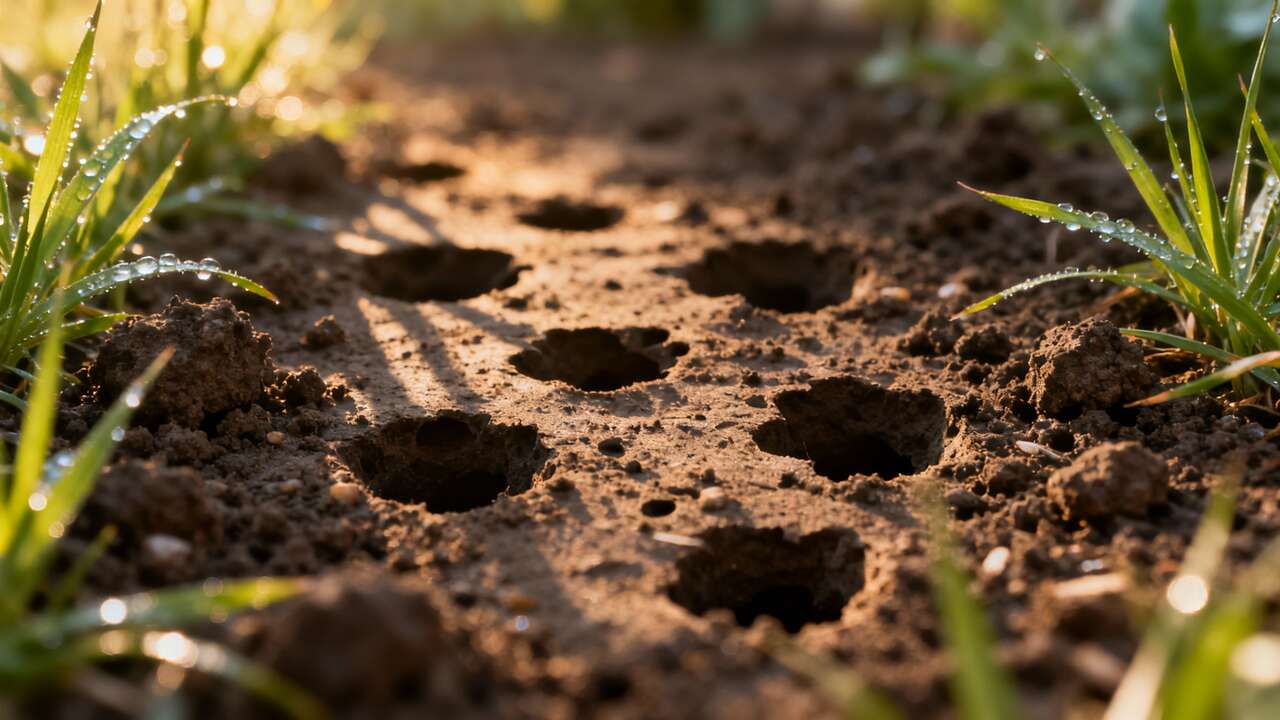

The discovery of freshly dug holes across a once-pristine lawn can be a source of immense frustration for any gardener. These mysterious excavations are more than just an aesthetic issue; they are a clear signal that your garden has become a habitat or a foraging ground for local wildlife. While the immediate response may be annoyance, understanding the cause is the first critical step towards a solution. These clues, left behind in the soil, tell a story about the unseen visitors active in your outdoor space, often under the cover of darkness. Identifying the culprit is paramount, as the strategy for managing a mole differs significantly from that for a rabbit or a badger.
How to Interpret Ground Clues
The Size and Shape of the Hole
The physical characteristics of a hole are the most immediate clue to the identity of its creator. A small, neat, conical hole, perhaps only a few centimetres across, often points to an animal searching for insects just below the surface. In contrast, a large mound of freshly turned earth, shaped like a volcano, is the classic calling card of a mole. It is important to note that this molehill is not an entrance but rather an exit for excavated soil. The actual tunnels are hidden beneath. Larger, wider holes with significant soil displacement often suggest a bigger animal, such as a rabbit or a fox, digging a burrow or a den. The depth is also a telling factor; shallow scrapes are for foraging, while deep tunnels are for shelter and nesting.
Location, Location, Location
Where the digging occurs in your garden provides another layer of evidence. Different animals have different preferences based on their needs for food and shelter. Holes appearing in the middle of a lawn are frequently the work of animals hunting for chafer grubs and leatherjackets, such as badgers or foxes. If the holes are concentrated around the base of a shed, decking, or a compost heap, rats could be the likely suspects, seeking sheltered locations for their burrows. Rabbits, on the other hand, often dig their warrens on sloped ground or near dense cover like hedges, providing a quick escape route from predators. Damage to vegetable patches or near young plants is a strong indicator of an animal that is not just digging but also feeding on your produce.
Associated Signs and Evidence
Often, the holes themselves are not the only evidence left behind. A careful survey of the surrounding area can reveal other vital clues that help to build a complete picture of the animal’s activity. Combining these observations with the characteristics of the hole itself greatly increases the accuracy of your identification. Look for:
- Droppings: The size, shape, and content of animal droppings are highly distinctive. Rabbit droppings are small, hard pellets, while fox scat is often twisted and may contain fur and seeds.
- Tracks: Soft soil or a patch of morning dew can preserve footprints. Learning to identify the tracks of common garden visitors can confirm your suspicions.
- Damage to plants: Look for signs of nibbling on leaves, stems, or vegetables. Rabbits leave a clean, angled cut on stems, whereas deer tear at vegetation, leaving a more ragged edge.
- Pathways: Repeated journeys by animals like badgers can create visible trails or runs through grass and under fences.
These secondary signs are crucial for confirming which creature is treating your garden as its personal larder or home. The process is one of detective work, where each piece of evidence brings you closer to a definitive answer, which in turn informs the most effective and humane course of action.
Main Culprits in UK Gardens
The Subterranean Architect: The Mole
Moles are perhaps the most infamous of garden diggers, yet they are also the most misunderstood. These small, velvety mammals are insectivores, not herbivores, meaning they have no interest in eating your plants or vegetables. Their entire existence is geared towards hunting their primary food source: earthworms. A single mole can consume nearly its body weight in worms each day. The familiar molehills that appear on lawns are a by-product of their primary activity, which is excavating an extensive network of feeding tunnels. While they are beneficial for soil aeration, the aesthetic damage they cause can be significant, turning a flat lawn into a lumpy, uneven surface and disturbing the roots of shallow-rooted plants.
The Prolific Digger: The Rabbit
Rabbits are a common sight in many UK gardens, and their digging can be particularly destructive. They excavate burrows, known as warrens, for shelter and to raise their young. These entrances are typically larger than molehills, often around 10 to 15 centimetres in diameter, and may have a fan of excavated soil at the entrance. Because rabbits are social animals, a single burrow entrance often signifies a much larger, interconnected system underground. The primary issue with rabbits, beyond the holes, is their voracious appetite. They can cause widespread damage to flower beds and vegetable patches, capable of destroying young plants and crops in a very short space of time.
The Nocturnal Forager: The Badger
Badgers are powerful animals and protected by law in the UK, making their management a sensitive issue. Their digging activity falls into two main categories. The first is foraging, where they dig shallow, snout-sized holes in lawns, known as ‘snuffle holes’, in their search for earthworms and insect larvae. This can result in the lawn looking like it has been rotavated overnight. The second, more significant type of digging is the excavation of their large, communal homes, called setts. A badger sett can be a vast network of tunnels and chambers, with multiple entrance holes. These entrances are distinctive, often shaped like a capital ‘D’ on its side, and are accompanied by large spoil heaps and often discarded, soiled bedding material like straw or grass.
Quick Guide to Identify Signs
A Comparative Clue Chart
Differentiating between the various garden diggers can be challenging, as signs can sometimes overlap. However, by systematically comparing the key characteristics of the holes and other associated evidence, a more accurate identification is possible. The table below provides a quick reference guide to the most common culprits found in UK gardens. Remember to look for a combination of signs rather than relying on a single piece of evidence. This systematic approach will help you to pinpoint the visitor responsible for the disruption and choose an appropriate and effective response.
| Animal | Hole Description | Associated Signs | Common Location |
|---|---|---|---|
| Mole | Volcano-shaped mound of fine soil (molehill). No visible entrance hole. | Raised ridges in the lawn indicating surface tunnels. | Lawns, pastures, garden beds. |
| Rabbit | Clean entrance hole, 10-15cm wide, often on a slope. Scraped soil at the entrance. | Small, round droppings. Plants nibbled with a clean 45-degree cut. | Near hedges, banks, or dense cover. |
| Badger | Shallow ‘snuffle holes’ in lawns. Large D-shaped sett entrances (20-30cm). | Distinctive tracks, latrine pits for droppings, trails through grass. | Lawns (foraging), woodland edges, sloped banks (setts). |
| Fox | Variable size holes for dens (‘earths’) or for burying food caches. Often looks messy. | Twisted, pungent scat. Paw prints similar to a small dog. | Under sheds, in compost heaps, secluded areas. |
| Rat | Smooth, round burrow entrance, 5-8cm wide. Often a ‘rat run’ nearby. | Greasy smear marks along walls, capsule-shaped droppings. | Under decking, sheds, in compost bins, near water sources. |
| Squirrel | Small, shallow holes, a few centimetres across. Soil is disturbed, not mounded. | Disturbed bulbs, half-eaten nuts or buried food items. | Lawns, under trees, in flower pots and beds. |
Using this guide as a starting point, you can move from simple frustration to informed action. Identifying the animal correctly is not just an academic exercise; it is the foundation upon which any successful management strategy is built, ensuring that the methods used are both appropriate for the species and likely to succeed.
When Clues Aren’t Enough
The Limits of Observation
There are times when even the most careful examination of the evidence can lead to an inconclusive result. Heavy rain can wash away tracks and flatten molehills, old holes can be colonised by new inhabitants, and some signs can be genuinely ambiguous. A fox might investigate a rabbit hole, or a rat might take over a disused section of a larger burrow system, confusing the visible clues. In these situations, attempting to implement a solution based on a guess can be a waste of time and money. It is far better to acknowledge the uncertainty and seek more definitive proof before taking any action, especially when dealing with legally protected species.
Using Technology to Your Advantage
When visual clues are insufficient, technology can provide a definitive answer. The use of wildlife or trail cameras has become an affordable and highly effective tool for gardeners. These small, weatherproof cameras are triggered by motion and can capture clear images or video clips, day or night, without disturbing the animal. By placing a camera overlooking the area of activity, you can obtain undeniable proof of which species is visiting your garden. For best results, position the camera at animal-height, facing the hole or damaged area, and ensure there are no waving branches or plants that could cause false triggers. This modern approach removes all guesswork from the identification process.
Why Acting Quickly is Crucial
Preventing Structural Damage
While a few holes in a lawn may seem like a minor issue, allowing a burrowing animal to become established can lead to far more serious problems. The extensive tunnel systems created by animals like rabbits and badgers can compromise the stability of the ground. This can result in damage to garden structures over time. The foundations of sheds, greenhouses, patios, and retaining walls can be undermined, leading to subsidence, cracking, and costly repairs. The longer the activity is allowed to continue, the more extensive the underground network becomes, and the greater the risk of significant structural damage to your property.
Protecting Your Plants and Lawn
The horticultural impact of digging animals extends beyond the immediate visual disruption. Moles, while not eating plants, can disturb and damage root systems as they tunnel, causing patches of lawn or prized plants to die back. Rabbits and squirrels can decimate a vegetable patch or a newly planted flower bed in a single night. They not only eat the foliage but also dig up bulbs and roots, representing a significant loss of both effort and financial investment for the gardener. Acting promptly helps to minimise this damage and protect the health and vitality of your garden plants.
Practical Solutions That Work
Deterrents and Repellents
Once the culprit has been identified, the first line of defence is often to make the area less attractive to them. Humane deterrents aim to encourage the animal to move on without causing it harm. There are various methods, with differing levels of effectiveness depending on the species and the persistence of the individual animal. These can include:
- Scent-based repellents: Commercially available products that mimic the scent of a predator can be effective. Alternatively, some gardeners report success with humane options like soaking rags in citronella oil or other strong-smelling, non-toxic substances and placing them near the holes.
- Sonic devices: These units emit high-frequency sounds or vibrations designed to be unpleasant for burrowing animals like moles. Their effectiveness can be mixed, and animals may become accustomed to them over time.
- Habitat modification: The most sustainable long-term solution is often to remove what is attracting the animal in the first place. This means securing rubbish bins, removing fallen fruit promptly, and eliminating easy sources of water.
Physical Barriers and Exclusion
For persistent problems, particularly with animals like rabbits, physical exclusion is often the most reliable method. This involves creating a barrier that the animal cannot get past. For protecting a specific area, such as a vegetable garden, a well-constructed fence is essential. A rabbit-proof fence should be at least one metre high and, crucially, should be made of a sturdy wire mesh like chicken wire or hardware cloth. To prevent them from digging underneath, the mesh should be buried at least 30 centimetres deep into the ground, with the bottom edge bent outwards in an ‘L’ shape. This same principle of burying mesh can be used to protect the foundations of sheds and decks from burrowing animals.
By correctly identifying the animal responsible for the holes in your garden, you can move from being a passive victim to an active manager of your outdoor space. A thoughtful approach that combines accurate identification with the implementation of appropriate, humane solutions is the key to restoring order. This allows for a balanced coexistence, protecting your garden from significant damage while respecting the presence of local wildlife.

- “Trees Adjacent to Fault Lines Reveal Low-Frequency Vibrations Ahead of Seismic Events” - 20 November 2025
- I’ve Recommended It to My Patients for Years”: The Right Way to Wash Your Hair With Vinegar, According to a Dermatologist - 20 November 2025
- Earth’s Seasons Are Out of Sync, Scientists Discover from Space - 20 November 2025
Related publications:
 9 Clever Ways to Use the Space Above Your Kitchen Cabinets
 Discover the One Natural Ingredient for Fresh-Smelling Laundry
 My Grandma Was Right” Chefs Reveal the Forgotten Trick to Cook Fried Eggs Without Sticking Using No Oil and No Water at All
 How to Use Old Socks as Car Dehumidifiers in Winter
 Veterinarians Warn: The Home Remedy That Eliminates Fleas Effectively
 Retiring in the Sun: the European Country Offering a Luxurious Lifestyle for Just €750 a Month
 Step Aside Frying Pans: discover Oil-Free Cooking with Even-Heat Magnetic Surfaces
 They’re Building ICBMs With Carbon Fiber”: North Korea Tests 443,000-Pound Engine While America Races