
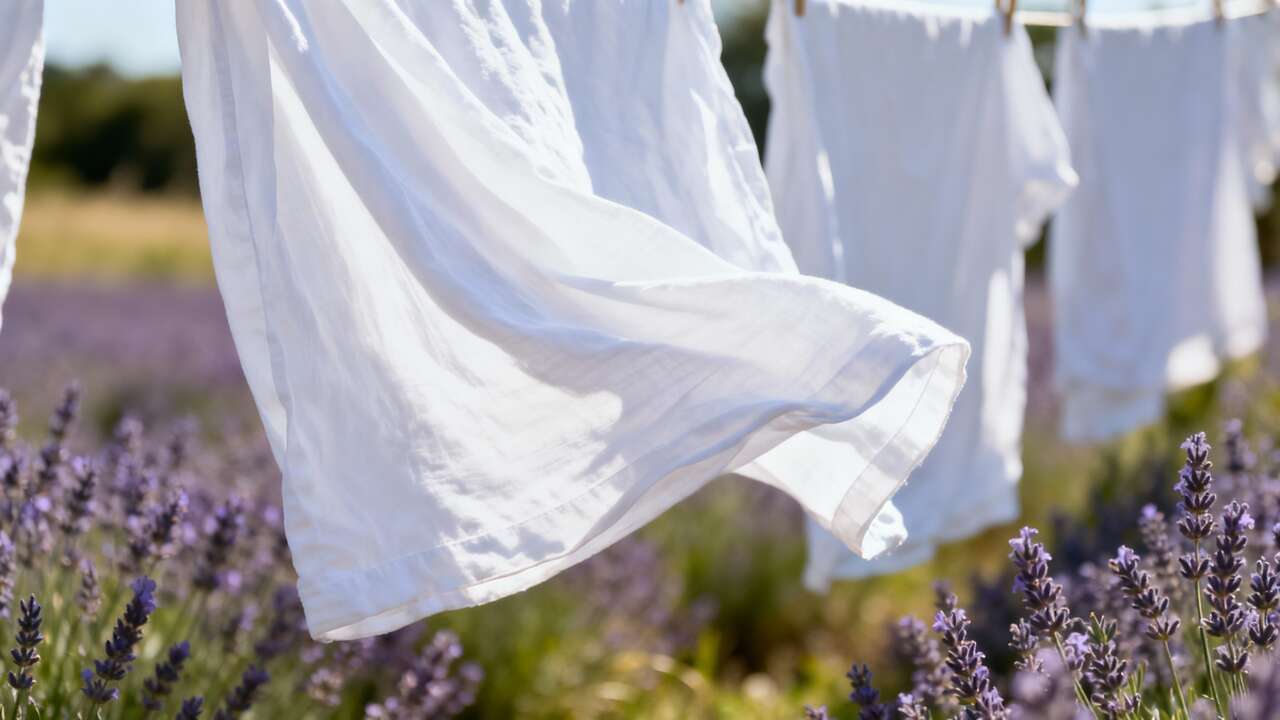

In the relentless pursuit of impeccably clean and fresh-smelling laundry, many of us are caught in a cycle of purchasing expensive, chemically-laden detergents and softeners. Yet, a surprisingly simple, effective, and natural solution has been quietly gaining prominence, a trend underscored by numerous household reports emerging around 12 November 2025. This humble kitchen staple is transforming laundry routines, promising not just cleanliness but a pure, lasting freshness without the synthetic fragrances that often mask, rather than eliminate, odours. It is an ingredient that most of us already own, waiting to be repurposed from the pantry to the utility room.
Revelation: the secret ingredient of my laundry
The unexpected hero in the cupboard
The secret to revitalised laundry is none other than distilled white vinegar. This common household acid, long celebrated for its culinary and cleaning prowess, is a formidable agent in the laundry room. Its power lies in its simplicity and its chemical composition. Unlike commercial fabric softeners that coat fibres with a layer of chemicals to create a feeling of softness, vinegar works by dissolving the residues left behind by detergents. This not only leaves fabrics genuinely softer but also more absorbent, a particularly noticeable benefit for items like bath towels.
Why white vinegar works wonders
The effectiveness of white vinegar stems from its acetic acid content, which gives it a low pH. This acidity is key to its multi-faceted action on fabrics and odours. It acts as a gentle yet potent agent that addresses several common laundry issues simultaneously, moving beyond the superficial performance of many commercial products. Its benefits are not just perceived; they are based on tangible chemical interactions that restore fabric to a more natural state.
- Odour Neutralisation: The acetic acid in vinegar neutralises alkaline odours, such as those from sweat or mildew. Instead of covering them with perfume, it chemically breaks them down, leaving clothes smelling truly clean.
- Antibacterial Properties: Vinegar is a natural disinfectant that can kill bacteria lingering in fabrics. This is especially useful for gym clothes, socks, and towels, which are prone to bacterial growth and the stubborn smells that result.
- Residue Dissolution: Regular use of detergents can lead to a build-up of soap scum and minerals from hard water on your clothes. This build-up can dull colours and cause skin irritation. Vinegar effectively strips away these residues, brightening fabrics and making them kinder to sensitive skin.
Having uncovered the science behind this simple ingredient, the practical application is remarkably straightforward, requiring no special equipment or complex procedures.
Instructions: how to use it effectively
The standard method for any wash
Incorporating white vinegar into your laundry routine is incredibly simple. For a standard load of washing, measure out approximately 250ml (one cup) of distilled white vinegar. Pour this directly into your washing machine’s fabric softener dispenser at the beginning of the cycle. The machine will automatically release it during the final rinse, which is the perfect time for it to work its magic. It will rinse away detergent residue, soften fabrics, and neutralise any final odours without leaving a vinegary smell on your dry clothes.
Advanced techniques for stubborn problems
For more challenging laundry issues, a more targeted approach may be needed. To tackle severe mustiness in towels or deep-set odours in sportswear, a pre-soak can be highly effective. Simply fill a bucket or basin with a solution of one part vinegar to four parts cold water, and let the items soak for at least 30 minutes before washing as normal. This method allows the vinegar to penetrate the fibres deeply and begin breaking down the sources of the odour before the main wash even begins. It can also be used to help lift certain stains.
Pairing with other natural ingredients
While white vinegar leaves laundry smelling neutral and clean, some people prefer a subtle fragrance. You can easily achieve this by adding a few drops of your favourite essential oil, such as lavender or tea tree, to the vinegar before pouring it into the dispenser. This combination provides the softening and deodorising benefits of vinegar while imparting a light, natural scent. One Australian brand has even popularised a method of using three caps of their concentrated lavender solution alongside vinegar for a soothing, long-lasting aroma without any synthetic additives.
With a clear understanding of how to use this ingredient, it is worth exploring the immediate and tangible improvements you can expect to see in your laundry.
Immediate benefits on your laundry
A freshness that lasts
The most immediate and satisfying result of using white vinegar is the quality of the freshness. Unlike the often overpowering and artificial scents of commercial softeners, vinegar leaves fabrics smelling genuinely clean and neutral. It eliminates the root cause of odours rather than masking them, meaning your clothes and linens will maintain that fresh scent for longer, even after being stored in a wardrobe. This is the difference between a perfumed cover-up and true, unadulterated cleanliness.
Softer fabrics, naturally
You will notice a distinct improvement in the texture of your laundry. By stripping away the soap and mineral residues that make fabrics feel stiff and scratchy, vinegar restores their natural softness. Towels become fluffier and more absorbent, and clothes feel more comfortable against the skin. This effect is achieved without the waxy, water-repellent coating that many liquid softeners leave behind, which can reduce the performance of technical fabrics and towels over time.
Brighter colours and whiter whites
Detergent residue can create a dull film on fabrics, muting colours and causing whites to appear grey or yellowed. White vinegar’s ability to dissolve this build-up has a clarifying effect on your laundry. Regular use can help to restore the vibrancy of coloured garments and the crispness of your whites, keeping your clothes looking newer for longer. It acts as a gentle brightener without the risks associated with harsh chlorine bleach.
Although the advantages are compelling, it is important to proceed with awareness, understanding the correct usage and potential pitfalls to ensure the best results.
Precautions and mistakes to avoid
Choosing the right type of vinegar
It is crucial to use only distilled white vinegar for laundry. Other types of vinegar, such as apple cider, malt, or wine vinegar, contain natural tannins and colours that can easily stain your clothes. Distilled white vinegar is clear and will not leave any discolouration. Always check the label to ensure you have the correct type before adding it to your wash.
Common usage errors
While vinegar is generally safe, a few mistakes should be avoided to protect your clothes and your washing machine. Following these simple rules will ensure you only experience the benefits.
- Never mix with chlorine bleach: This is the most critical rule. Combining vinegar (an acid) with bleach (a base) creates toxic chlorine gas, which is extremely dangerous to inhale.
- Do not pour directly onto clothes: Undiluted vinegar can be too harsh for some delicate fabrics. Always add it via the softener dispenser or dilute it in water for a pre-soak.
- Use in moderation: While effective, more is not always better. The recommended 250ml per load is sufficient. Overuse could potentially damage the rubber seals and hoses in your machine over a very long period.
Is it safe for all fabrics and machines ?
For the vast majority of fabrics, including cotton, polyester, and blends, white vinegar is perfectly safe when used correctly in the rinse cycle. The high dilution factor in a full drum of water renders the acid gentle. However, for extremely delicate materials like silk or rayon, it is wise to perform a spot test on an inconspicuous area first. Modern washing machines are built to withstand detergents of varying pH levels, and the diluted vinegar in the rinse cycle is well within safe operational parameters.
Beyond its effectiveness, the choice to use vinegar is also a significant step towards a more sustainable and cost-effective household routine.
An ecological and economical alternative
A budget-friendly choice
The financial argument for switching to white vinegar is overwhelmingly positive. Commercial fabric softeners and specialised laundry boosters represent a recurring expense. White vinegar, on the other hand, is remarkably inexpensive and can be purchased in large, economical quantities. This simple swap can lead to significant savings over the course of a year, without any compromise on performance.
| Product | Average Cost per Litre | Uses per Litre | Cost per Wash |
|---|---|---|---|
| Branded Fabric Softener | £3.00 | ~30 | £0.10 |
| Distilled White Vinegar | £0.50 | 4 | £0.125 |
While the cost per wash appears similar, the multi-purpose nature of vinegar means one large, cheap bottle replaces multiple, more expensive cleaning and laundry products, leading to greater overall savings.
Reducing your chemical footprint
Choosing white vinegar is also an environmentally responsible decision. It is a completely natural, biodegradable product. In contrast, many commercial softeners contain a cocktail of synthetic chemicals, including quaternary ammonium compounds (quats), artificial fragrances, and preservatives. These substances can be irritants for sensitive skin and are not readily biodegradable, contributing to water pollution after they are rinsed away from our homes.
A multi-purpose household champion
The value of white vinegar extends far beyond the laundry room. It is a true multi-purpose product that can be used to clean windows, descale kettles, disinfect surfaces, and much more. By embracing vinegar, you not only improve your laundry but also reduce the number of different plastic bottles and chemical solutions cluttering your cupboards. This minimalist approach simplifies your cleaning routine and further reduces both cost and environmental impact.
To fully appreciate its place in a natural laundry routine, it is helpful to see how white vinegar stacks up against other popular green alternatives.
Comparison: white vinegar and other natural solutions
Vinegar vs. baking soda
Baking soda (sodium bicarbonate) is another excellent natural laundry aid, but it serves a different, complementary purpose. While vinegar is an acid, baking soda is alkaline. It is a fantastic deodoriser and a gentle abrasive that can help lift stains when made into a paste. It can be added directly to the drum with your clothes to help soften water and boost your detergent’s cleaning power. They are best used separately: baking soda in the wash cycle and vinegar in the rinse cycle.
Vinegar vs. essential oils
This is not a case of one versus the other, but rather a perfect partnership. White vinegar is a functional ingredient designed to neutralise odours, soften fabrics, and remove residue. Essential oils are purely for adding a natural, pleasant aroma. As mentioned, a few drops of an oil like lavender or eucalyptus can be added to the vinegar in the softener drawer to combine their benefits, giving you soft, clean, and beautifully scented laundry.
A comparative overview
To clarify the distinct roles of these natural allies, a direct comparison is useful. Each has its own strengths, and they can be used in combination to create a comprehensive, chemical-free laundry system tailored to your needs.
| Natural Solution | Primary Function | Best Used For | Cost |
|---|---|---|---|
| White Vinegar | Fabric Softening & Deodorising | Removing residues and neutralising odours in the rinse cycle. | Low |
| Baking Soda | Cleaning Booster & Deodorising | Softening water and removing odours in the wash cycle. | Low |
| Essential Oils | Adding Scent | Imparting natural fragrance during the rinse cycle (with vinegar). | Medium |
By understanding the unique properties of each, you can harness their collective power for superior laundry results.
Ultimately, adopting white vinegar is more than just a laundry hack; it is a shift towards a simpler, more effective, and conscious way of caring for your home and clothes. This single ingredient provides a powerful solution to common laundry woes, delivering softer fabrics, brighter colours, and a genuine freshness that synthetic products often fail to achieve. It stands as a testament to the fact that sometimes the most effective solutions are the ones that have been in our kitchens all along, waiting to be rediscovered.

- “Trees Adjacent to Fault Lines Reveal Low-Frequency Vibrations Ahead of Seismic Events” - 20 November 2025
- I’ve Recommended It to My Patients for Years”: The Right Way to Wash Your Hair With Vinegar, According to a Dermatologist - 20 November 2025
- Earth’s Seasons Are Out of Sync, Scientists Discover from Space - 20 November 2025
Related publications:
 Before You Insert Your Bank Card at a Cash Machine: Essential Checks to Avoid Scams
 The Trick That Horticulturists Keep to Themselves to Make a Wilted Orchid Bloom Again
 No Plastic Wrap, No Foil: The Japanese Method to Keep Vegetables in the Fridge Without Rotting
 These Are 6 Products You Don’t Want To Miss From The New M&S X Tom Kerridge Cookware Collection.
 How to Save Money on Heating by Bleeding Radiators Correctly
 Step Aside Frying Pans: discover Oil-Free Cooking with Even-Heat Magnetic Surfaces
 Honda Gold Wing 2025 Official Reveal Proudly Showcases Its Legendary Touring Heritage With Revolutionary Powertrain and Luxurious Comfort Options
 How to Iron Clothes Faster Using a Spray Bottle and a Secret Ingredient