
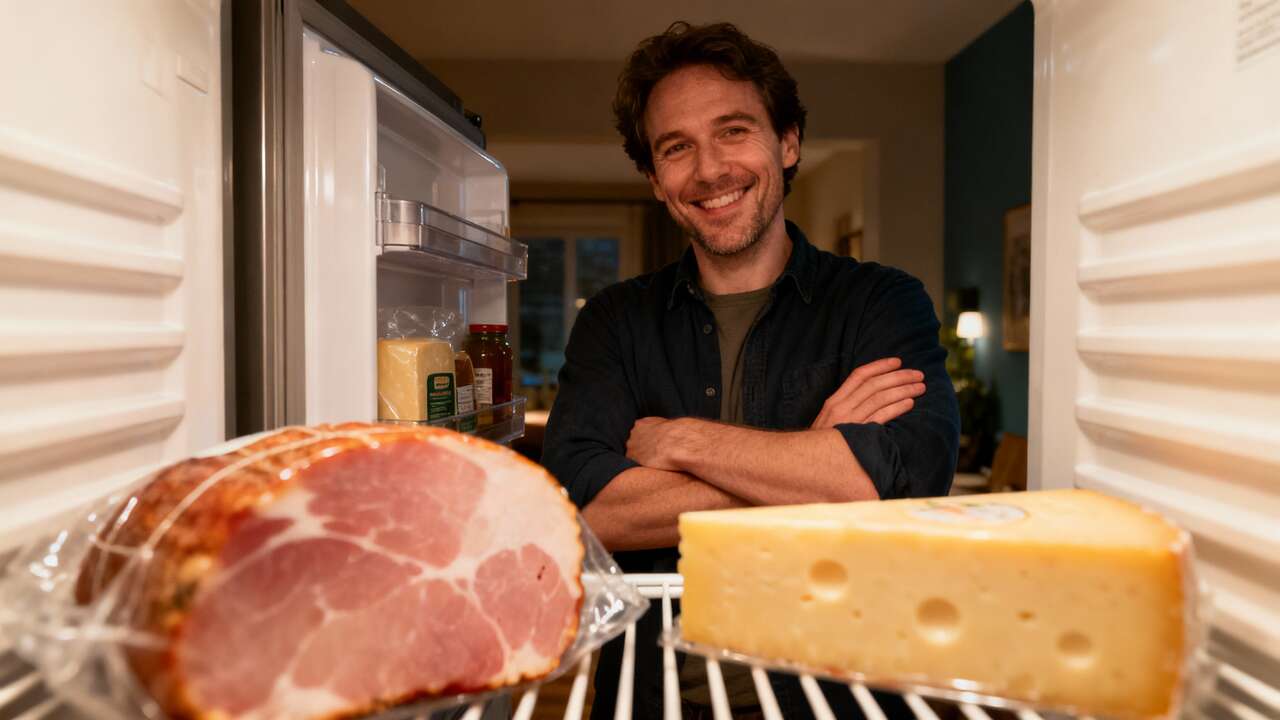

The perennial challenge of keeping sliced ham and cheese fresh after opening the packaging is a familiar one in many kitchens. All too often, these delicatessen staples end up dry, discoloured, or worse, slimy and unappetising. The common culprits are often the very items we believe are preserving them: plastic wrap and airtight plastic containers. These modern conveniences, while seemingly practical, can significantly degrade the quality, taste, and texture of cured meats and cheeses, creating a humid, suffocating environment that accelerates spoilage. Understanding the science behind proper food storage reveals that a return to more traditional, breathable materials is not just a nod to sustainability, but a crucial step in savouring these products as they were intended.
The disadvantages of plastic wrap and plastic containers
Suffocation and moisture traps
When cheese or ham is tightly sealed in plastic wrap, it is effectively suffocated. Cheese, in particular, is a living product that needs to breathe. It releases volatile compounds, including ammonia, as part of its natural ageing process. Plastic wrap traps these gases, causing them to build up and reabsorb into the cheese, resulting in a distinctly unpleasant, ammonia-like flavour and a slick, sweaty surface. Similarly, the moisture naturally present in both ham and cheese becomes trapped against the surface, creating an ideal breeding ground for mould and bacteria. This excess humidity is what leads to that undesirable slimy texture on sliced meats.
Chemical contamination and flavour alteration
Beyond trapping moisture, plastic itself can interfere with the food’s integrity. Many plastic wraps contain chemicals, such as plasticisers, that can potentially leach into fatty foods like cheese and cured meats. This not only raises health concerns but also imparts a noticeable and unwelcome ‘plasticky’ taste. The delicate and complex flavours of a mature cheddar or a finely cured prosciutto can be easily overwhelmed and ruined by this chemical transfer. Storing these items in a non-porous, inert material is therefore essential to preserving their authentic taste profile.
Environmental impact of single-use plastics
The environmental cost of our reliance on single-use plastics is substantial and well-documented. Plastic wrap is notoriously difficult to recycle and typically ends its short life in landfill or, worse, in our oceans. Each sheet used to cover a block of cheese or a few slices of ham contributes to a mounting global waste problem. Opting for non-plastic alternatives is a direct action that reduces household waste and lessens one’s ecological footprint. The comparison is stark when considering the lifecycle of these products.
| Storage Method | Reusability | End-of-Life | Environmental Impact |
|---|---|---|---|
| Plastic Wrap | Single-use | Landfill / Incineration | High |
| Plastic Container | Multi-use (limited lifespan) | Difficult to recycle | Medium to High |
| Beeswax Wrap | Multi-use (up to a year) | Compostable | Low |
| Glass Container | Multi-use (indefinite lifespan) | Infinitely recyclable | Low |
Recognising these significant drawbacks naturally leads to the question of what should be used instead. Fortunately, a range of sustainable and highly effective alternatives exists, many of which have been used for centuries before the advent of plastic.
Sustainable alternatives for preserving ham and cheese
The rise of reusable food wraps
Reusable food wraps, most commonly made from cotton infused with beeswax, jojoba oil, and tree resin, have surged in popularity. These wraps are pliable, breathable, and naturally antibacterial. When warmed by the hands, they create a protective seal around cheese or a bowl of sliced ham. Unlike plastic, their porous nature allows the food to breathe, preventing moisture build-up while still protecting it from drying out. Vegan versions, using plant-based waxes like candelilla or soy, are also widely available, offering the same benefits. They can be washed in cool water with a mild soap and reused for up to a year, making them a cost-effective and eco-friendly choice.
Specialised storage solutions
For the true cheese aficionado, specialised cheese paper is the gold standard. This two-ply material consists of a porous paper layer on the outside and a thin, micro-perforated polyethylene layer on the inside. This clever design allows the cheese to breathe while regulating humidity, striking the perfect balance to maintain freshness. For both ham and cheese, high-quality storage containers made from inert materials are an excellent option. The key benefits include:
- Glass containers: They are non-porous, so they do not absorb odours or leach chemicals. An airtight seal can be used, but it is often best to first wrap the food in paper inside the container.
- Stainless steel containers: Lightweight, durable, and free from harmful chemicals, these are another superb choice for plastic-free storage.
- Ceramic cheese keepers: These often feature a base and a domed lid, creating a stable micro-environment ideal for storing a single large piece of cheese.
Among the simplest and most accessible of these alternatives is a household item that many already have in their kitchen drawers: wax paper.
Using wax paper: an effective and eco-friendly solution
The science behind wax paper
Wax paper is a simple yet brilliant product: paper that has been coated with a thin layer of paraffin or soybean wax. This coating makes the paper non-stick and moisture-resistant, but crucially, it is not completely airtight. This breathability is the key to its success in storing cheese and cured meats. It creates a barrier that prevents the food from drying out in the low-humidity environment of a refrigerator, yet it allows the ethylene and ammonia gases released by cheese to escape. This prevents the build-up of off-flavours and stops the food from becoming sweaty and slimy.
Step-by-step wrapping technique
Properly wrapping your ham or cheese in wax paper is a simple skill that yields significant results. The goal is to create a neat parcel that protects the food without sealing it too tightly.
- Cut a piece of wax paper that is at least three times the size of the item you are wrapping.
- Place the cheese or stacked ham in the centre of the paper.
- Fold the paper over the food in clean, sharp creases, as if you were wrapping a gift. Ensure all surfaces are covered.
- For a block of cheese, use the ‘butcher’s wrap’ technique, folding in the sides to create a secure package.
- Secure the final flap with a small piece of tape. It is helpful to write the name of the product and the date on the tape for easy identification.
This method ensures the food is protected while still being able to breathe, preserving its texture and flavour for far longer than plastic wrap would allow.
While wrapping is a physical barrier, other traditional methods use natural ingredients to create a protective layer directly on the food itself.
The role of olive oil in food preservation
A traditional method for hard cheeses
Long before refrigeration and plastic, people used natural fats and oils to preserve food. For hard, aged cheeses like parmesan, pecorino, or manchego, a light coating of olive oil on the cut surface is a time-honoured technique. This method, originating from Mediterranean cultures, serves as a natural barrier to protect the cheese from the air, preventing it from drying out or developing mould on its exposed face. It is a simple, effective, and entirely natural preservation method.
How olive oil works
The preservation principle is straightforward. Olive oil creates an anaerobic barrier, meaning it blocks oxygen from reaching the cheese. This significantly slows down the process of oxidation, which causes food to go stale and lose its flavour. Furthermore, olive oil possesses natural antimicrobial properties that can help inhibit the growth of certain types of mould and bacteria. The oil effectively seals the cut surface, locking in moisture and flavour while keeping contaminants out. It is important to use a good quality, mild olive oil to avoid imparting too strong a flavour onto the cheese.
These specific techniques are part of a broader shift towards more mindful, plastic-free habits in the kitchen and beyond.
Adopting plastic-free habits to reduce one’s ecological footprint
Beyond the kitchen wrap
Switching from plastic wrap to wax paper or beeswax wraps is often a gateway to a wider awareness of plastic consumption. Once this simple change is made, it becomes easier to spot other opportunities to reduce plastic waste in the kitchen. This can include:
- Using reusable silicone bags instead of single-use plastic freezer bags.
- Choosing loose fruit and vegetables instead of pre-packaged ones.
- Switching from plastic washing-up liquid bottles to solid soap bars or refillable options.
- Storing dried goods like pasta and rice in glass jars instead of their original plastic packaging.
Each small change contributes to a significant overall reduction in a household’s plastic waste.
The ripple effect of consumer choice
The collective power of consumer demand is a formidable force for change. When a growing number of people actively choose plastic-free options, it sends a clear message to manufacturers and retailers. Supermarkets respond to purchasing trends, and an increased demand for products with sustainable packaging encourages suppliers to innovate and adapt. Your individual choice, when multiplied by thousands of others, can directly influence the availability of eco-friendly products on shop shelves, creating a positive feedback loop that benefits the entire planet.
One of the most effective ways to enact this change is to alter not just how you store food, but where you buy it in the first place.
Buying local and plastic-free cheeses
The advantage of the cheesemonger
Visiting a dedicated cheesemonger or a high-quality delicatessen counter is one of the best ways to avoid plastic packaging. These specialists understand their products and almost always wrap cheese in proper, two-ply cheese paper or wax paper as standard practice. They can cut a piece of cheese to your exact requirements, eliminating food waste. Furthermore, they are a fantastic source of knowledge, able to offer advice on the best way to store each specific type of cheese to maintain its optimal flavour and texture. Building a relationship with a local cheesemonger is an investment in both quality and sustainability.
Farmers’ markets and direct sourcing
Farmers’ markets are another excellent venue for sourcing cheese and cured meats with minimal environmental impact. Artisanal producers often sell their products with little to no plastic packaging, sometimes wrapping them simply in paper and string. Buying directly from the producer not only supports the local economy but also provides a direct connection to the food you are eating. You have the opportunity to ask questions about how the product was made and the best way to care for it once you get it home. This conscious approach to food shopping is a rewarding way to reduce your plastic footprint while enjoying exceptionally fresh and high-quality products.
By shifting our habits from relying on disposable plastics to embracing breathable, reusable, and traditional materials, we can profoundly improve the quality of our food. The right storage method does more than just prevent waste; it honours the craft and flavour of artisanal products like ham and cheese. Adopting alternatives such as wax paper, beeswax wraps, and glass containers not only keeps these items fresher for longer but also aligns our daily practices with a more sustainable and environmentally conscious way of living.

- “Trees Adjacent to Fault Lines Reveal Low-Frequency Vibrations Ahead of Seismic Events” - 20 November 2025
- I’ve Recommended It to My Patients for Years”: The Right Way to Wash Your Hair With Vinegar, According to a Dermatologist - 20 November 2025
- Earth’s Seasons Are Out of Sync, Scientists Discover from Space - 20 November 2025
Related publications:
 How to Use Old Socks as Car Dehumidifiers in Winter
 The Trick That Horticulturists Keep to Themselves to Make a Wilted Orchid Bloom Again
 Why wrapping radiator valves in foil improves heat efficiency during winter
 No Vinegar, No Bicarbonate: The Expert Method That Really Removes Stains From Your Tupperware
 How to Remove Limescale From Your Shower Head Without Vinegar, Scrubbing or Expensive Products
 Chefs’ Trick to Cook a Baked Potato in Under 10 Minutes Without an Oven or Stovetop
 No Plastic Wrap, No Foil: The Japanese Method to Keep Vegetables in the Fridge Without Rotting
 Scientists Find That Boiling Orange Peel Releases Antioxidants That Purify The Air Indoors