
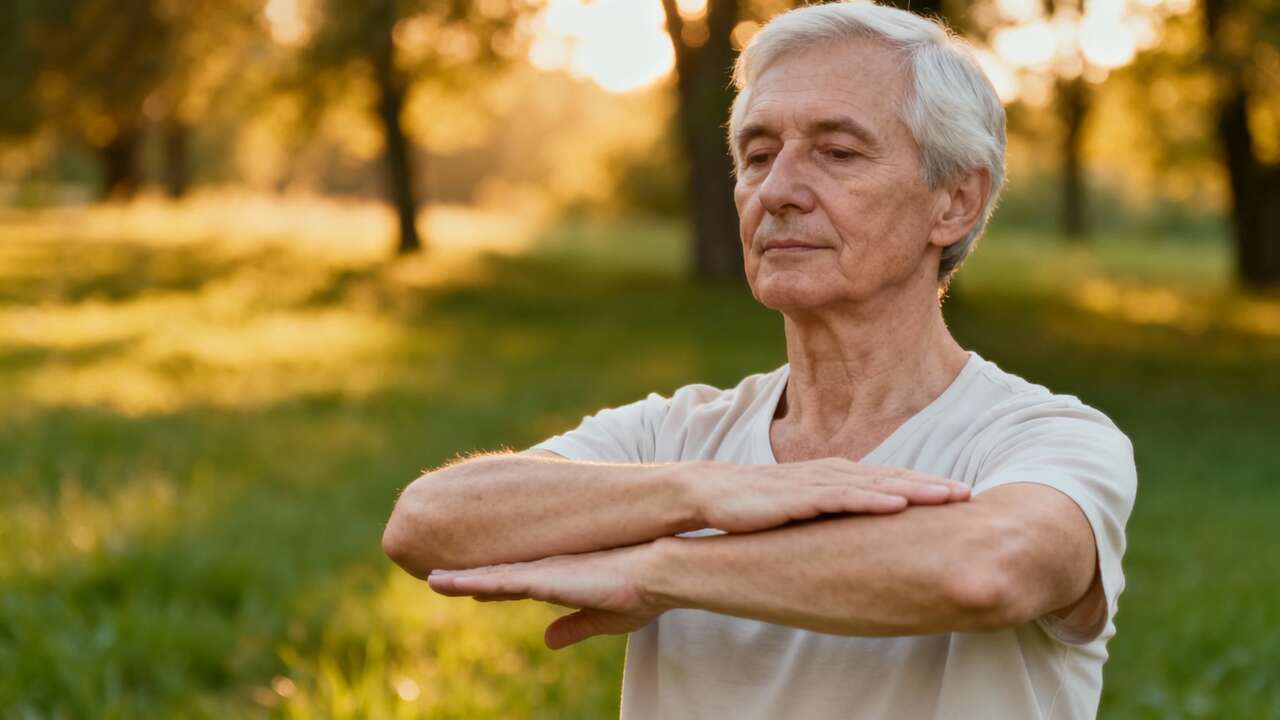

As the search for sustainable and effective fitness regimes for later life continues, many are looking beyond traditional practices. For those over 60, maintaining heart and joint health is paramount, yet high-impact activities are often off the table. A growing body of evidence now points towards a gentle, technologically-assisted activity that not only meets but, in some crucial aspects, exceeds the benefits of well-established exercises like yoga. This activity is gaining significant traction across the UK and Europe, offering a unique blend of moderate exercise, practicality, and enjoyment that is proving transformative for senior health.
The calm breath of active seniors
Finding the right intensity
Public health guidelines consistently recommend that older adults engage in regular physical activity to maintain cardiovascular function and mobility. The key is finding the right balance: an activity that raises the heart rate enough to be beneficial without causing undue strain on the body. For many, this means aiming for a moderate intensity, a level where you can still hold a conversation. The challenge, however, is that perceived exertion can be misleading. An activity might feel easy, leading one to believe it is not effective, while another might feel too strenuous, discouraging consistency.
The importance of consistency
The true benefits of any exercise programme are unlocked through regular participation. An activity that is enjoyable, accessible, and low-impact is far more likely to become a long-term habit. For seniors, factors such as pre-existing joint pain, balance concerns, or reduced stamina can be significant barriers. Therefore, the ideal activity is not just effective during a single session but is also inviting enough to be integrated into a daily or weekly routine. It is this consistency that builds a strong foundation for lasting heart and joint health.
Understanding this need for a sustainable form of exercise opens the door to exploring alternatives that might not have been considered mainstream for this age group until recently.
The surprising power of assisted cycling
Understanding pedal-assist technology
The gentle activity making waves is electric-assisted cycling, or e-biking. It is crucial to distinguish these from mopeds or scooters. A pedal-assist e-bike does not have a throttle; instead, a small, quiet motor adds a boost only when you pedal. This technology is designed to complement, not replace, human effort. The assistance typically has several levels and, by law in the UK, cuts out entirely once the cyclist reaches 25 km/h (15.5 mph) or stops pedalling. This intelligent system ensures the rider is always exercising, but it smooths out the difficult parts of a ride, such as:
- Climbing hills
- Starting from a standstill
- Battling against a headwind
This allows the rider to maintain a steady pace and effort level, keeping their heart rate within an optimal, moderate training zone for longer periods.
Lower impact, higher engagement
Unlike jogging or even brisk walking, cycling is a non-weight-bearing activity. This means it places minimal stress on the joints of the hips, knees, and ankles. For individuals with osteoarthritis or other forms of joint discomfort, this is a significant advantage. The smooth, circular motion of pedalling helps to lubricate the knee joints by stimulating the production of synovial fluid, which can actually reduce stiffness and pain over time. The e-bike’s assistance makes this accessible even to those who might find traditional cycling too demanding, encouraging longer rides and greater consistency without the risk of impact-related injury.
These mechanical and physiological advantages form the basis of a powerful argument for e-biking as a superior form of exercise for maintaining the health of two of the body’s most vital systems.
Gentle activity: an ally for the heart and joints
Cardiovascular conditioning made accessible
Meeting the recommended 150-300 minutes of moderate-intensity exercise per week can be a daunting target. E-biking makes it significantly more achievable. Research has shown that e-bike riders often get heart rates into the same beneficial zones as conventional cyclists, yet they report feeling less exerted. This “hidden workout” encourages longer and more frequent rides. An individual might choose to cycle to the shops or to visit friends, integrating exercise seamlessly into their daily life rather than scheduling it as a separate, formal activity. This sustained, moderate cardiovascular effort is excellent for strengthening the heart muscle, improving circulation, and managing blood pressure.
A therapeutic motion for joints
For the over-60s, joint health is often a primary concern that dictates their choice of physical activity. High-impact exercises can aggravate conditions like osteoarthritis, leading to a vicious cycle of pain and inactivity. E-biking breaks this cycle. The assistance provided by the motor reduces the peak load on the knee joint, making it a form of active recovery and gentle strengthening. Many people who had given up cycling due to knee pain find they can return to it comfortably on an e-bike, regaining mobility and independence.
| Activity Feature | E-Biking | Brisk Walking | Traditional Yoga |
|---|---|---|---|
| Joint Impact | Very Low | Low to Medium | Very Low |
| Cardiovascular Demand | Moderate & Sustained | Moderate | Low to Moderate |
| Customisable Intensity | High (via assist levels) | Medium (via pace) | Medium (via poses) |
| Barrier to Entry (Pain) | Low | Medium | Low (e.g., chair yoga) |
The data clearly shows how e-biking offers a unique combination of low impact and sustained cardiovascular benefit, a pairing that is difficult to find in other popular activities.
Why assisted cycling surpasses yoga after 60
Acknowledging the strengths of yoga
Yoga is, without question, a fantastic practice for older adults. Its benefits for flexibility, balance, and mindfulness are well-documented. Poses can be adapted for all ability levels, with practices like chair yoga providing a safe and effective way to maintain mobility and reduce stress. It excels at improving proprioception, which is the body’s ability to sense its position in space, a key factor in fall prevention. For mental clarity and gentle stretching, yoga remains a top-tier choice.
The cardiovascular and mobility advantage
Where e-biking pulls ahead is in the realm of cardiovascular fitness and functional mobility. While some vigorous forms of yoga can elevate the heart rate, they are often unsuitable for seniors with joint limitations or balance issues. The gentler forms, while beneficial, typically do not provide the sustained aerobic workout needed to significantly strengthen the heart and lungs. E-biking, by contrast, keeps the user in that ideal moderate-intensity zone for extended periods. Furthermore, it serves a dual purpose as a mode of transport, promoting independence and engagement with the community in a way that a studio-based practice cannot. It allows seniors to travel further, explore new areas, and carry out daily errands, all while getting a robust workout.
With a clear understanding of its superior benefits for heart and joint health, the next step is to consider how to make this activity a regular part of one’s life.
How to incorporate assisted cycling into your daily routine
Choosing the right e-bike and starting safely
The first step is selecting an e-bike that fits your needs. Look for a model with a “step-through” frame, which is much easier to get on and off without having to lift your leg high. Ensure the riding position is upright and comfortable to avoid strain on your back and wrists. Before embarking on longer journeys, it is wise to:
- Practise in a safe, traffic-free area like an empty car park or a quiet park to get used to the feel of the pedal assistance.
- Learn how to use the gears in combination with the assistance levels to find a comfortable pedalling rhythm.
- Plan your routes in advance, favouring cycle paths and quiet roads where possible.
- Always wear a helmet and use lights, even during the day, to improve your visibility to others.
Building the habit through purpose
The easiest way to build a new habit is to link it to an existing routine or a clear purpose. Instead of viewing e-biking solely as “exercise,” think of it as a new way to get around. Start small by replacing one or two car or bus journeys a week with the e-bike. Perhaps a trip to the local library, a ride to a friend’s house for a cup of tea, or a visit to a nearby park. These small, purposeful journeys quickly add up, helping you meet your activity goals without feeling like a chore. The enjoyment of being outdoors and the sense of freedom it provides become powerful motivators.
Once the habit is formed, a few simple strategies can help you maximise the health rewards from every ride.
Tips for maximising the benefits of e-biking
Focus on consistency over intensity
The most significant health gains come from regular, consistent activity rather than infrequent, high-intensity bursts. Aim for several shorter rides throughout the week instead of one long, exhausting ride on the weekend. This approach is gentler on the body, aids in recovery, and makes it easier to maintain the routine long-term. Remember, the goal is to accumulate 150-300 minutes of activity per week, and every ride, no matter how short, contributes to that total.
Listen to your body and vary your rides
Pay attention to how you feel. On days when you feel energetic, you might use a lower level of assistance or tackle a more challenging route. On days when you are feeling tired, use a higher level of assistance and enjoy a gentle, restorative ride. There is no shame in using the motor; that is what it is there for. To keep things interesting and work different muscles, vary your routes. Exploring new paths not only provides mental stimulation but also presents different gentle challenges, such as slight inclines or different surfaces, that contribute to your overall fitness.
By adopting this mindful and practical approach, you can ensure that e-biking remains a safe, enjoyable, and profoundly beneficial part of your life for years to come.
For individuals over 60, the evidence points compellingly towards pedal-assist e-biking as a superior choice for promoting cardiovascular and joint health. It offers a unique and highly effective blend of low-impact movement and sustained, moderate-intensity exercise. While yoga provides undeniable benefits for flexibility and balance, the functional mobility, heart-strengthening capabilities, and sheer practicality of e-biking make it an outstanding tool for maintaining an active, independent, and healthy lifestyle in the senior years.

- “Trees Adjacent to Fault Lines Reveal Low-Frequency Vibrations Ahead of Seismic Events” - 20 November 2025
- I’ve Recommended It to My Patients for Years”: The Right Way to Wash Your Hair With Vinegar, According to a Dermatologist - 20 November 2025
- Earth’s Seasons Are Out of Sync, Scientists Discover from Space - 20 November 2025
Related publications:
 Discover the One Natural Ingredient for Fresh-Smelling Laundry
 Nutritionists Reveal the £3 Supermarket Food That Supports Gut Health Better Than Probiotic Pills
 My Grandma Was Right” Chefs Reveal the Forgotten Trick to Cook Fried Eggs Without Sticking Using No Oil and No Water at All
 No Plastic Wrap, No Foil: The Japanese Method to Keep Vegetables in the Fridge Without Rotting
 Veterinarians Warn: The Home Remedy That Eliminates Fleas Effectively
 Retiring in the Sun: the European Country Offering a Luxurious Lifestyle for Just €750 a Month
 Step Aside Frying Pans: discover Oil-Free Cooking with Even-Heat Magnetic Surfaces
 How to Iron Clothes Faster Using a Spray Bottle and a Secret Ingredient